GuestStay Kiosk
Turning a validated pilot into a scalable, white-label self-service kiosk for hotels. Shorter queues for guests, new upsell revenue for hoteliers.
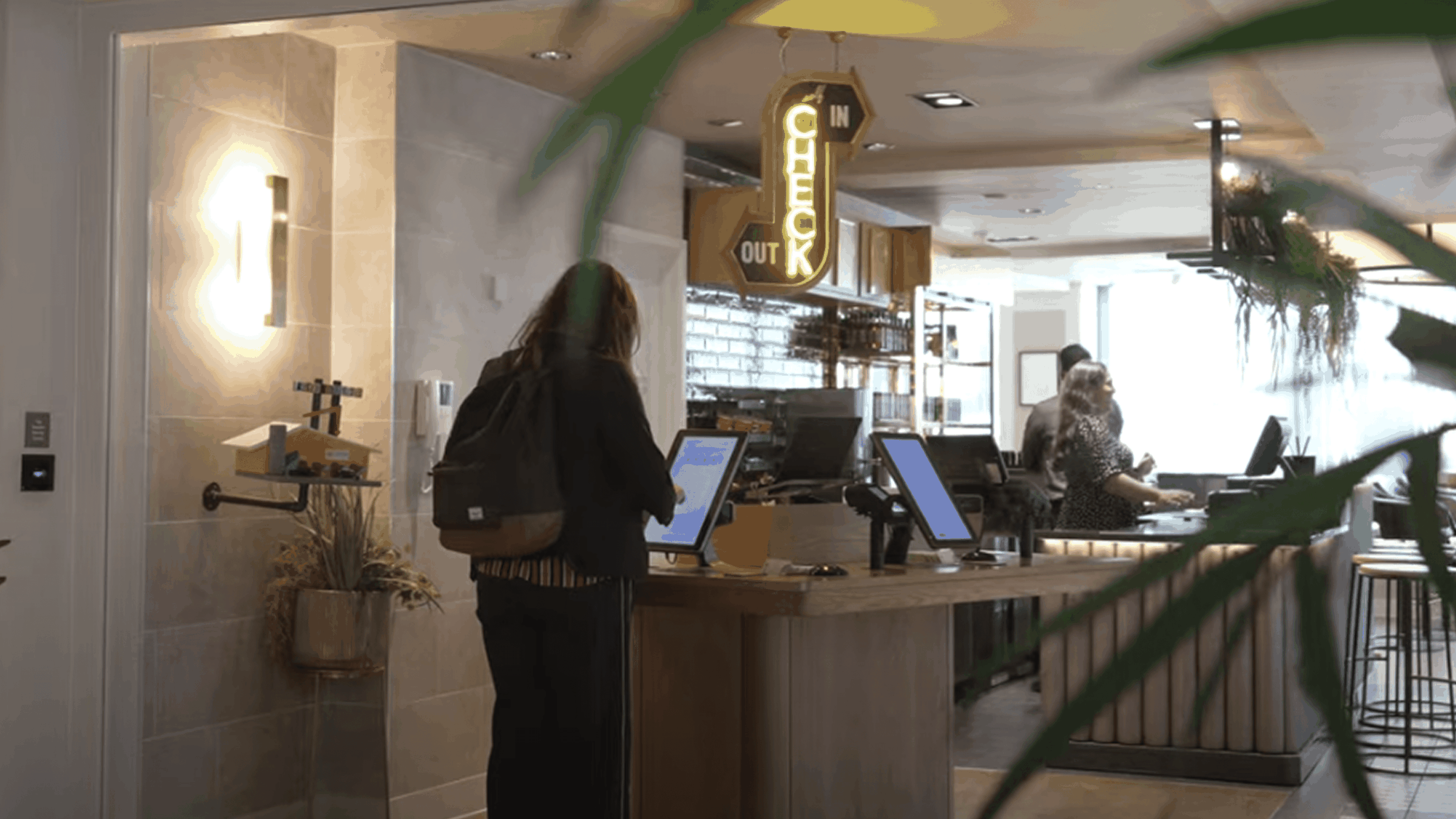
At a glance
The problem
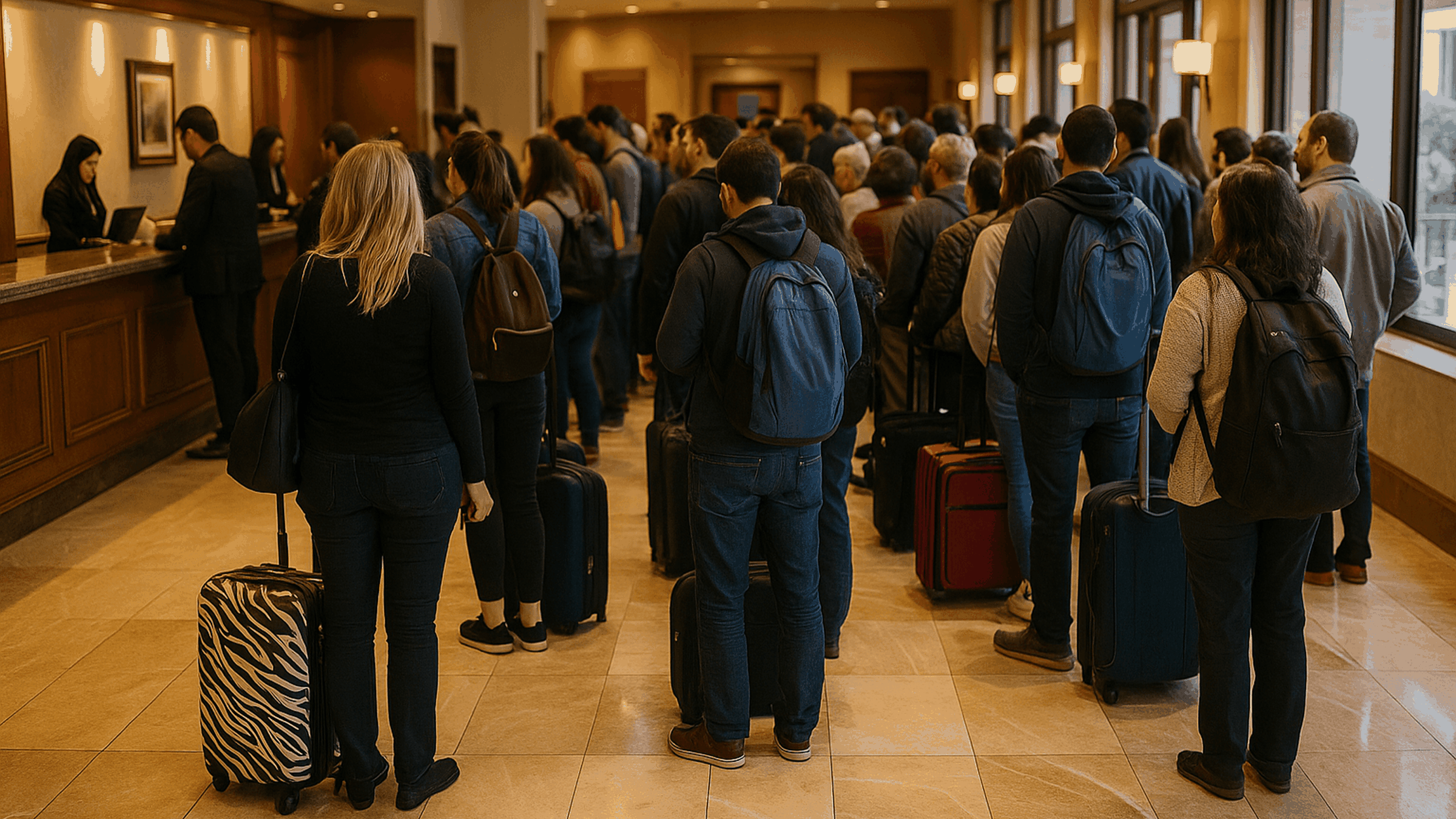
Long lobby queues and a pilot kiosk that made guests repeat steps and earned hotels no extra revenue.
My role
Sole product designer, end to end: journey audit, competitive research, flows, UI and a white-label design system. Worked with a PM, a dev lead and 6 engineers.
Impact
Check-in 35% faster, self-service adoption doubled to 50%, 20% upsell conversion and staff interventions halved.
Skills
Outcomes
35%
faster check-in, from about 7 to 4.5 min
2x
self-service adoption, up to 50%
20%
average upsell conversion
50%
fewer staff interventions
Context
Guestline had run a kiosk pilot that proved two things: guests are happy to check themselves in, and the kiosk can talk to the property management system. But the pilot had real problems. Guests repeated data they had already given, optional steps were hidden, there were no upsells, and lobby queues were still there.
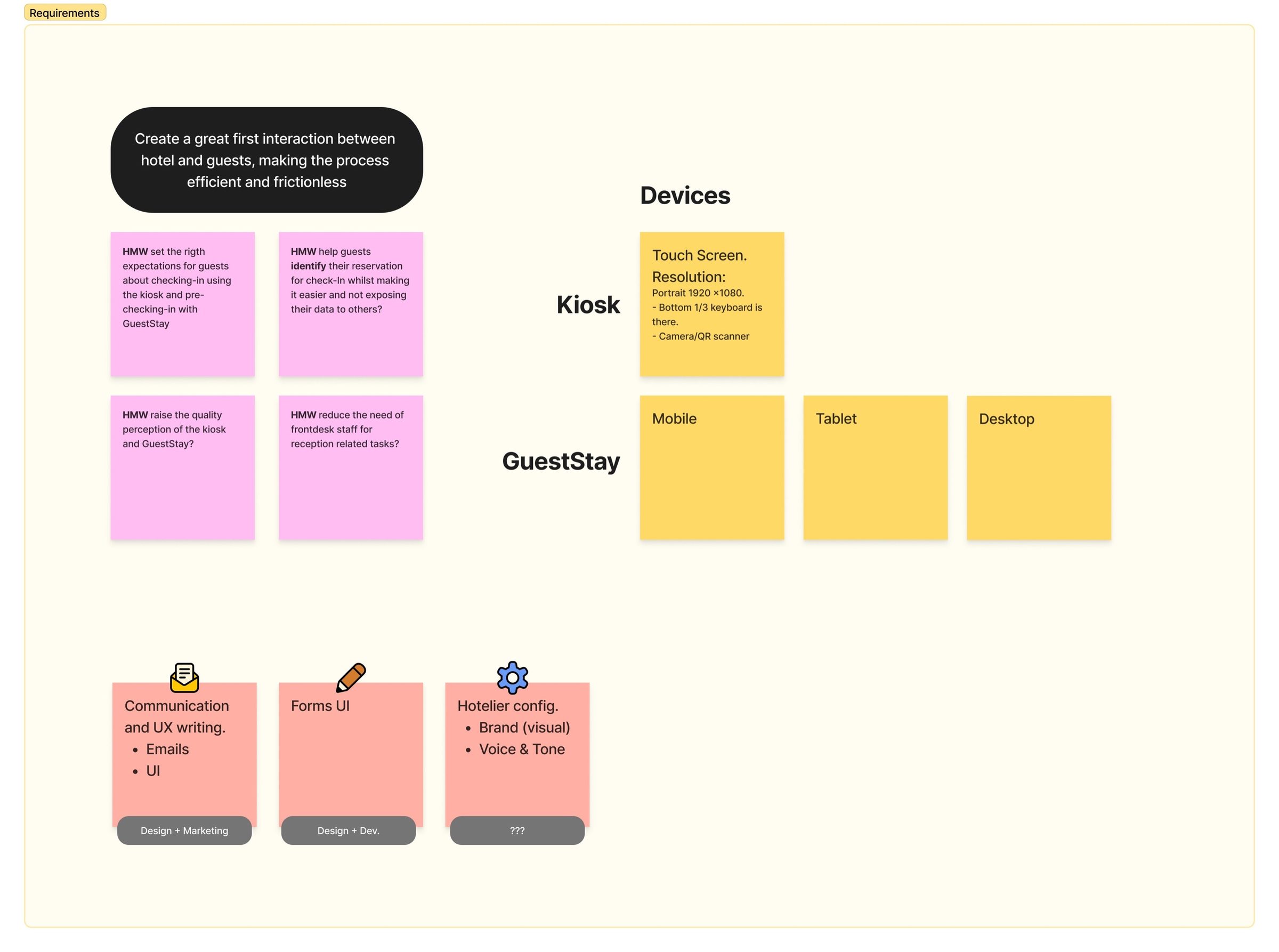
The goal was to turn it into a product Guestline could sell to any hotel: branded, accessible, faster for guests, and a source of revenue for hoteliers.
What I found
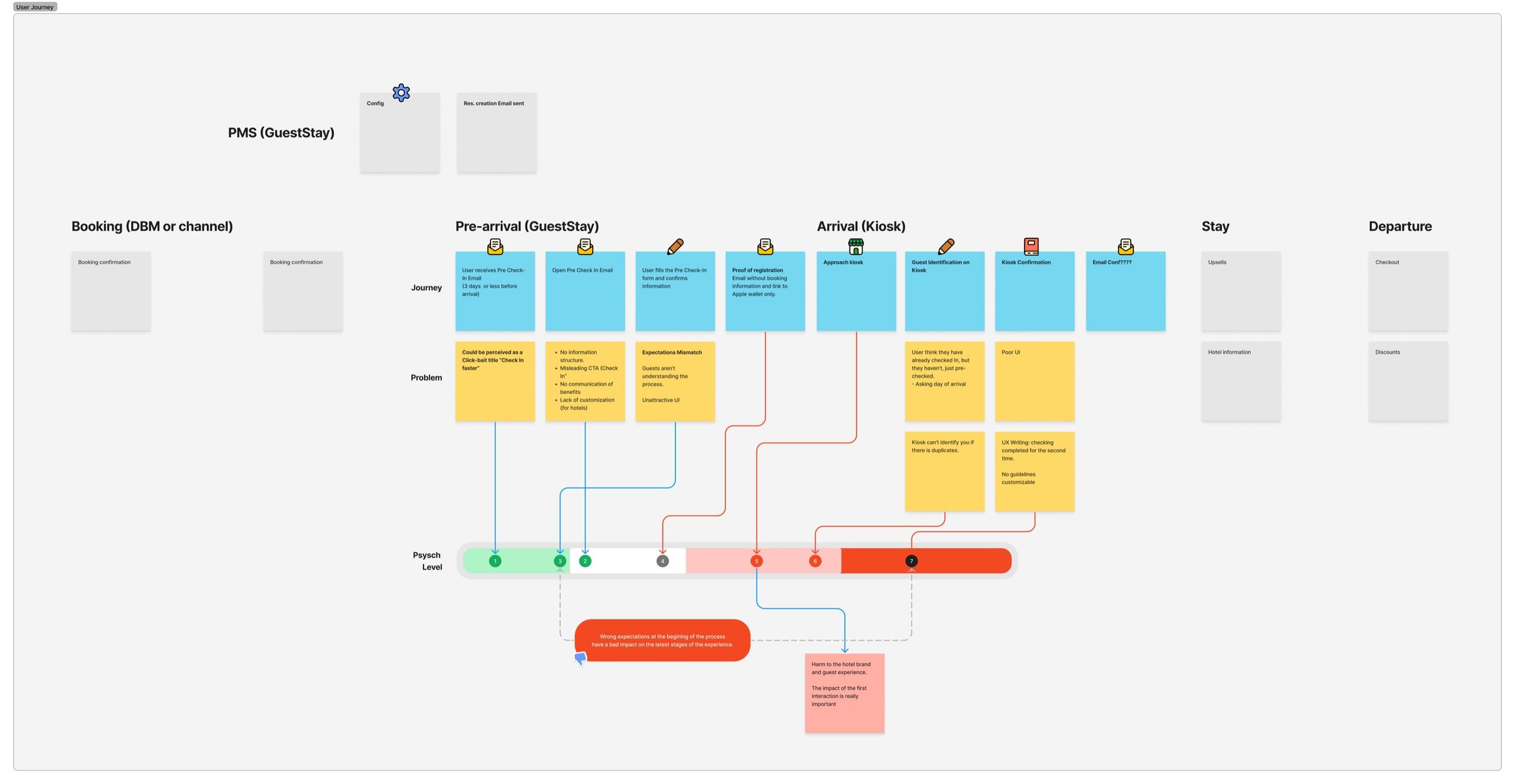
I audited the full guest journey, from booking to pre-arrival, arrival and departure, and looked at how competitors handled self check-in. Three things stood out:
- Broken promises. Pre-arrival emails promised a faster check-in, then guests had to do the same steps again at the kiosk.
- Physical friction. Kiosks were mounted too high and the on-screen keyboard covered a third of the screen.
- Hidden costs for hotels. Staff spent time troubleshooting the kiosk, and hoteliers had no data to prove ROI.
Most competing kiosks just digitised the check-in form. Very few offered upsells, real branding or proper accessibility, which became our opportunity.
What I did
I set four principles for the redesign and used them to make every call:
- Clarity. Progress indicators, inline validation and plain language.
- Autonomy. Pre-filled details, transparent optional steps and modular upsells.
- Accessibility. Large touch targets, high contrast, WCAG-compliant type and lower cognitive load.
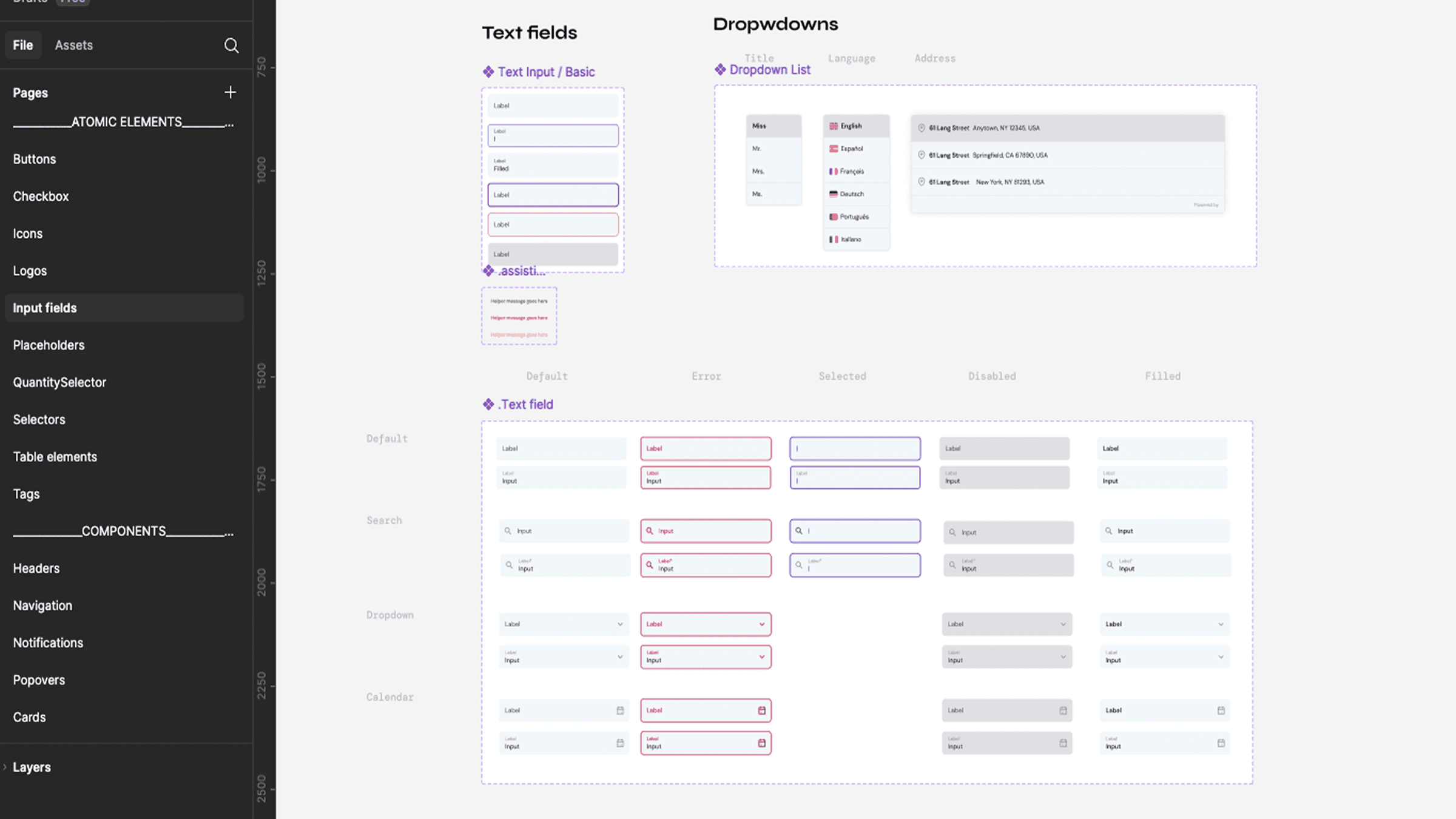
- Brand adaptability. A white-label system where each hotel sets its logo, colours and typeface.
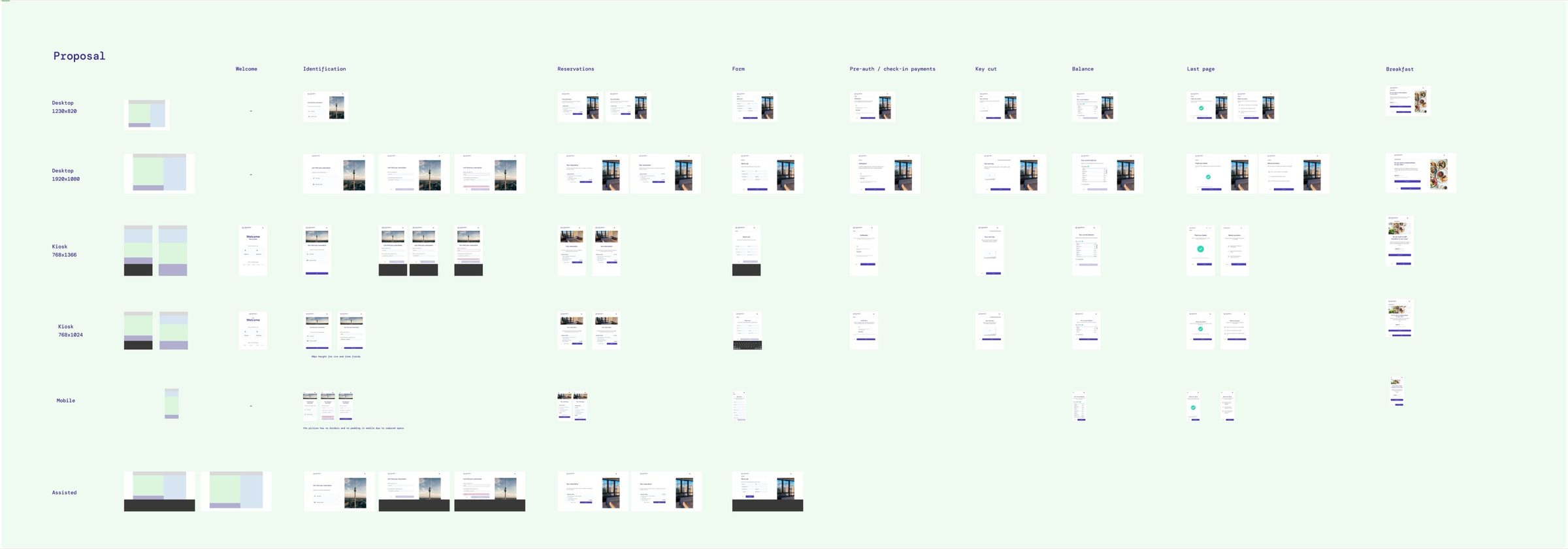
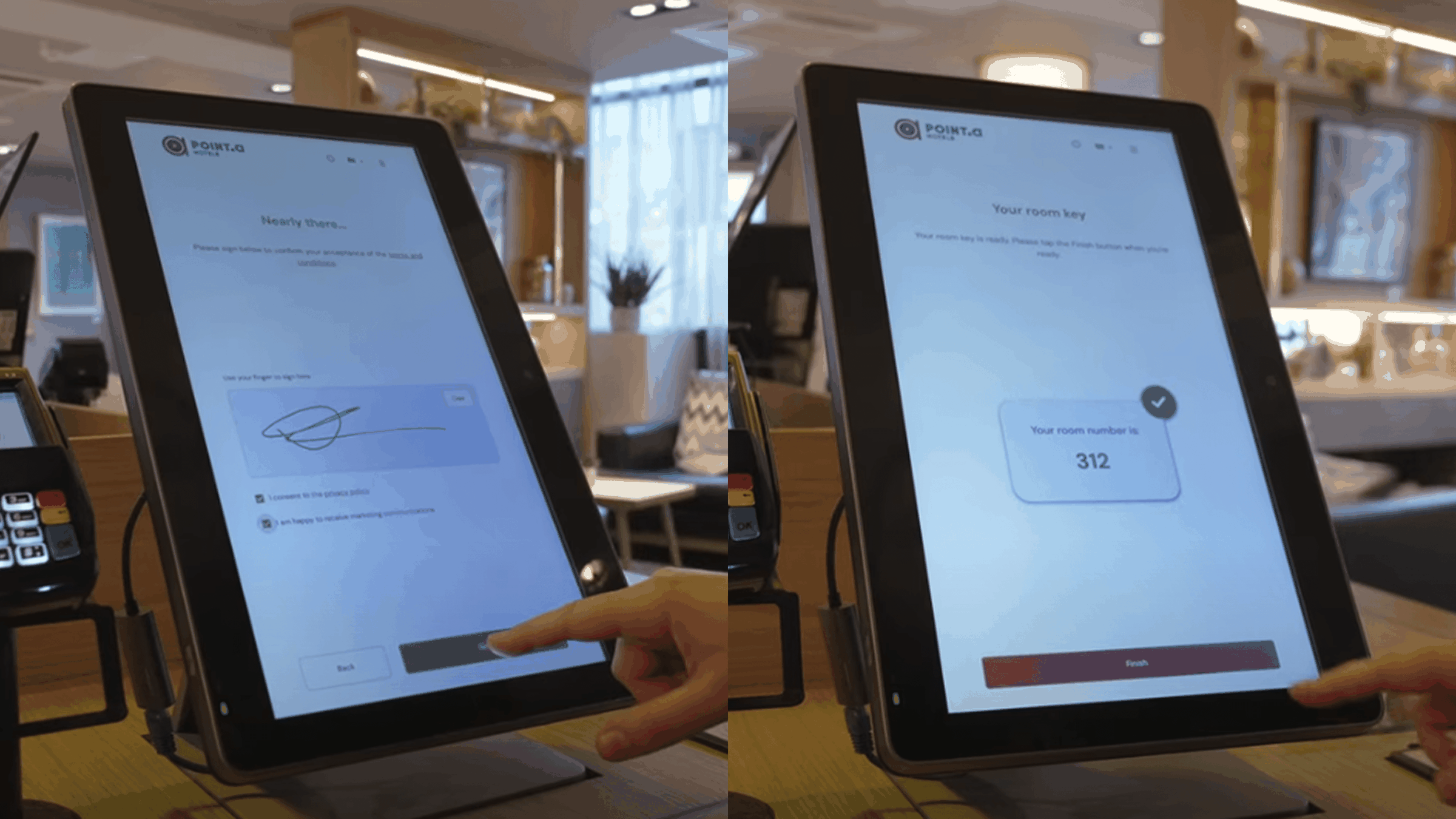
Check-in went from 8 to 10 fragmented screens down to 4 steps. Check-out became review balance, pay if needed, confirm, and get a digital receipt or wallet pass, about one minute when nothing is owed. The layout works on kiosk, tablet, mobile and desktop, and shares one design system with the Guest Portal and the booking engine.
Results
- Check-in time down about 35%, from around 7 minutes to 4.5
- Check-out down to about 1 minute with no balance due, from around 5
- Self-service adoption doubled to 50%
- Guest satisfaction up about 35%
- Upsell conversion averaged 20%
- Staff interventions halved
- 45% of guests chose a digital receipt or wallet pass
At Classik Hotel Collection in Berlin, the first German hotel to use the kiosk, 100% of guests were using it voluntarily within four weeks, and the group ordered more units. Point A Hotels in the UK captured 3,000 guest emails in 90 days.
What's next
The kiosk is now one piece of a connected guest ecosystem with the Portal and the booking engine. The next step we mapped is AI-driven personalisation, like offering late check-out when a guest's flight is delayed, or tailored upgrade offers.
Next project
BeInCrypto rebrand →